
Design around the rest, not the attractions
Every day had a single shared morning activity and a genuine afternoon break. Demanding excursions were scheduled on alternate days so nobody accumulated fatigue.
Travel and tourism
A trip spanning a toddler and two grandparents, planned around rest rather than around attractions.
The situation
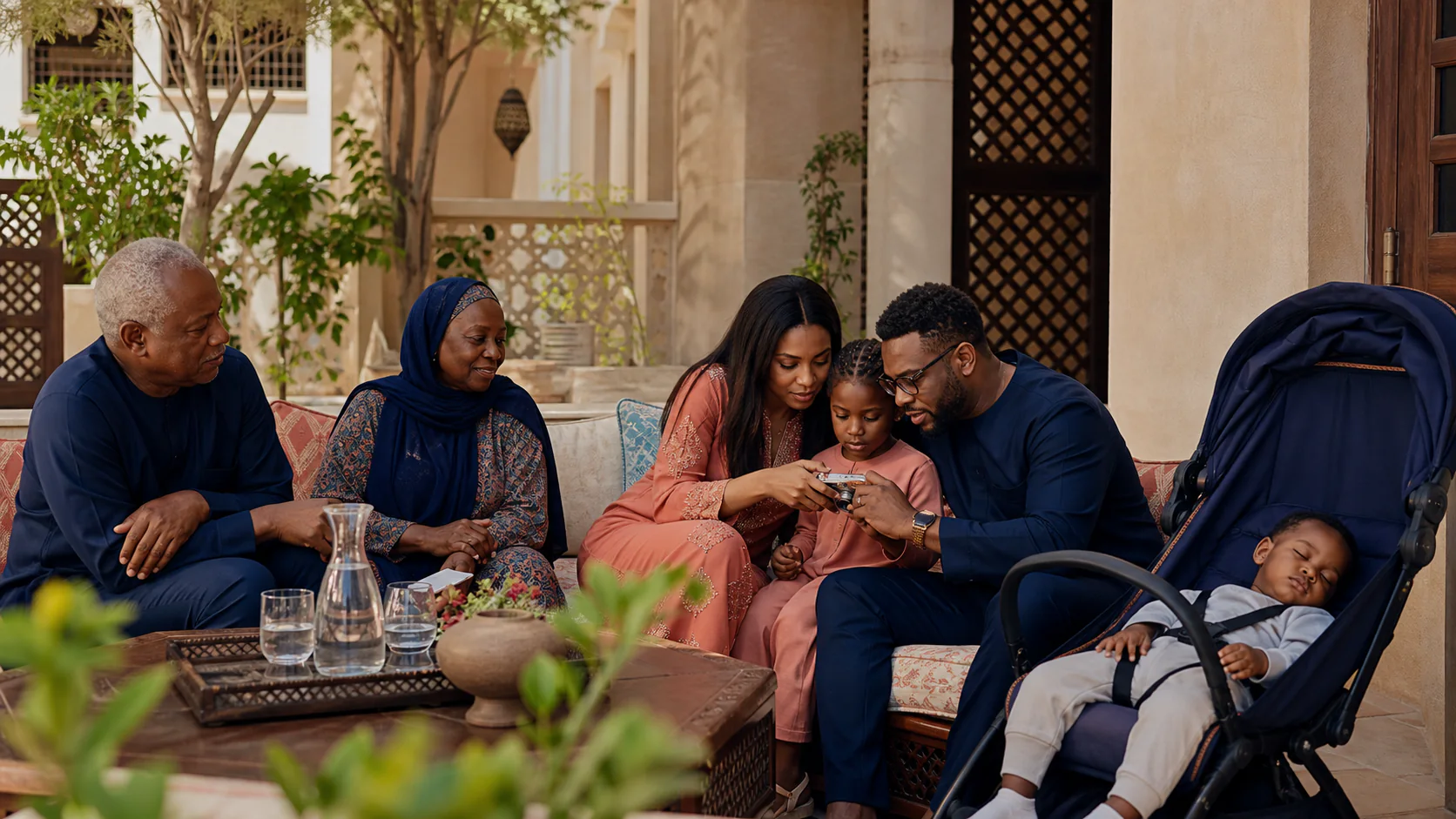
Nine people across three generations, including a two-year-old and two grandparents with limited mobility, travelling together for a milestone birthday. The family had priced a version of the trip themselves and found that the itinerary either exhausted the oldest travellers or bored the adults.
There was also a firm per-person ceiling, and an assumption that a group of nine could not be accommodated without splitting across distant hotels.
What we did
Each of these was a decision with a trade-off attached, discussed with the client rather than made quietly on their behalf.
Every day had a single shared morning activity and a genuine afternoon break. Demanding excursions were scheduled on alternate days so nobody accumulated fatigue.
Connecting units in a single property rather than a spread across two hotels, which mattered more to this family than the specific brand did.
Two optional afternoons where the adults could do something the grandparents would not enjoy, arranged in advance so it did not feel like abandonment.
Attraction entries, private transfers and one desert evening booked in advance at a meaningful saving on gate prices.
The outcome
The trip came in under the family's per-person ceiling, with the saving largely coming from advance booking rather than from downgrading anything.
The two-year-old and the grandparents both completed the full itinerary, which was the actual objective and the thing the family's own plan had not solved.

Similar situation?
No two engagements are identical, but the method is. We start by establishing what is actually blocking the outcome, then we tell you whether it can be moved.